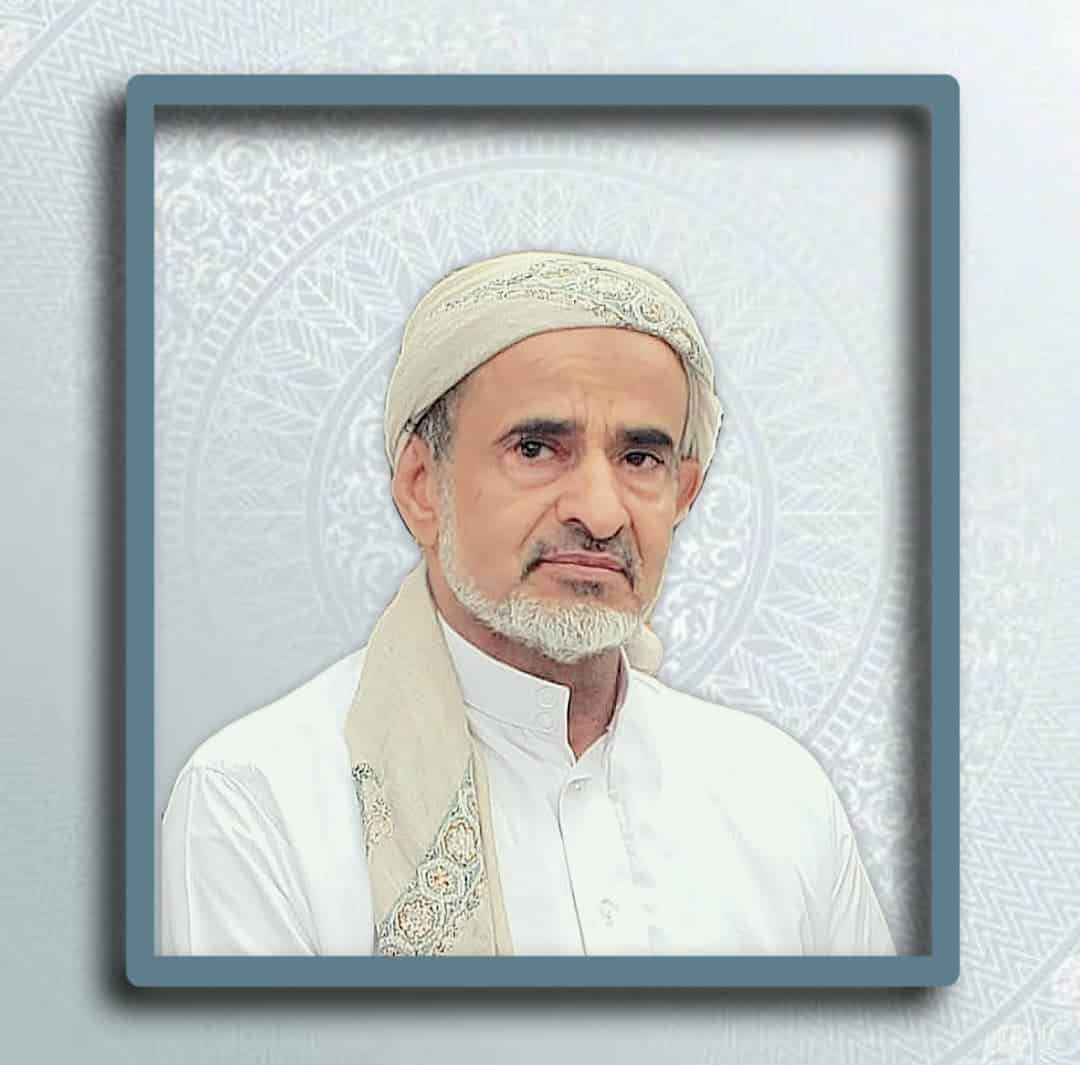
He attained a lofty ʿilmī ijāzah from his shaykh, the Imām, the renewer of the religion, Majd al-Dīn al-Muʾayyadī, as he permitted him to narrate from him in all his authored works, and from the Imāms of the Zaydiyyah and their Shīʿah, for receiving his authored works and his narrations completely; exactly as the one translated mentioned that in his ijāzah to some of the scholars, adding his statement: (This one possesses my ijāzah in the authored works of the scholar, the great scholar, and the towering lofty mountain, the Sayyid, the erudite scholar, ʿAlī ibn Muḥammad al-ʿAjrī, may Allah have mercy upon him and His blessings; I narrate them from the Sayyid, the erudite scholar, the verifier, al-Ḥasan ibn Muḥammad al-Fīshī, may Allah have mercy upon him, from the Sayyid, the erudite scholar, ʿAlī ibn Muḥammad al-ʿAjrī, may Allah have mercy upon him and His blessings) end. Thus there was combined for him the connected chain, the firmly-rooted knowledge, the documented permission, and the verified path, so he became one who combined between narration and understanding, between ijāzah and encompassment, and between transmission and verification, until he became a marjaʿ in the narrations, and a source in the authored works, and a ḥujjah in the narrations, and a trust in transmission and the indications.

Sunday, 20 September 2026 (9 Rabiʻ II 1448 AH)